Stop It at the Crack
Leaking, widening, or just worrying — we tell you which kind of crack you have and fix it from the inside out.
What We're Looking For
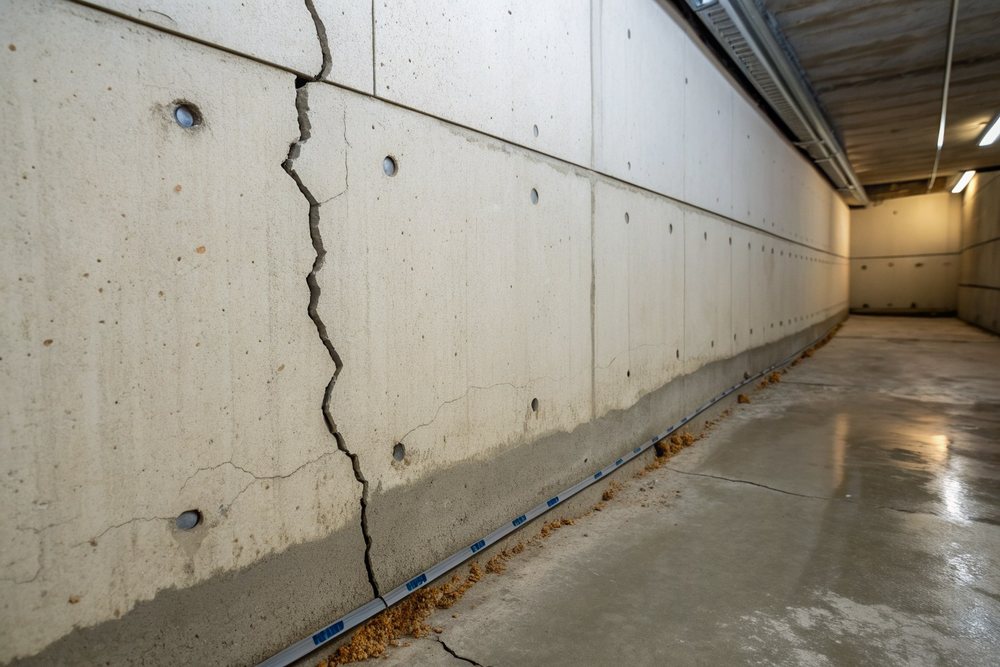
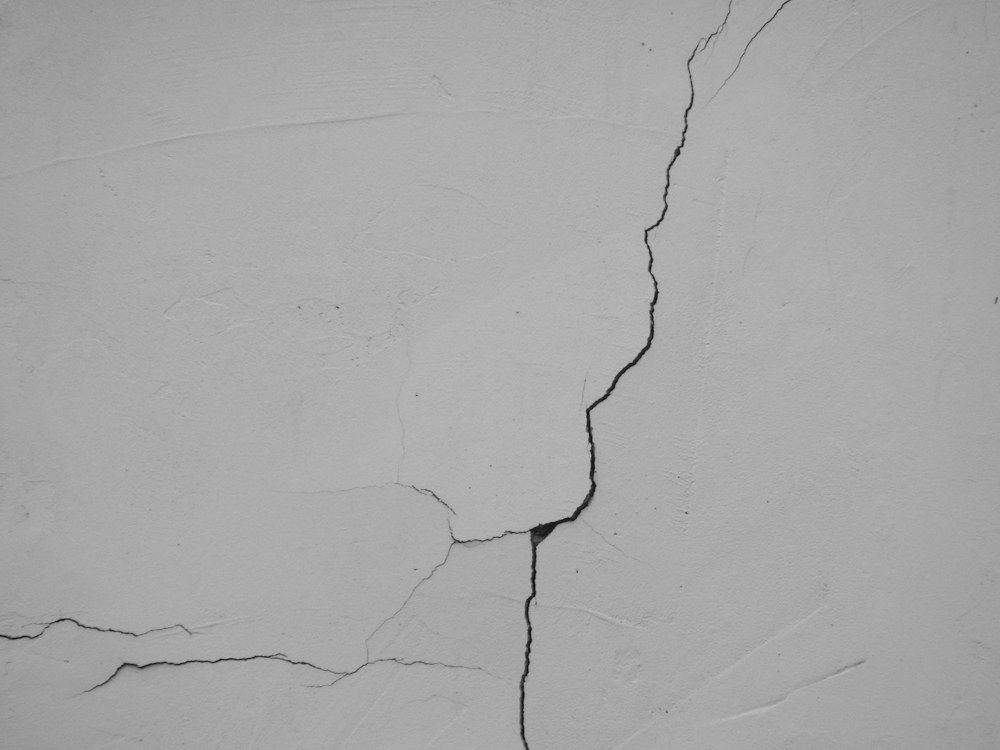
Poured-concrete foundations crack. A hairline vertical crack from the concrete curing thirty years ago is normal and usually harmless; the same crack once it's seeping after a spring rain is a water problem, and a horizontal crack or a stair-step crack in block with a bowed wall behind it is a structural one. The trouble is they all look alike to a flashlight in a dark basement. Fairfield Basement Waterproofing has been reading foundation cracks in Butler County's clay since 2011 — the soil here swells when it's wet and shrinks when it's dry, and that seasonal push-and-pull on a foundation wall is why so many older homes off Nilles Road and along the Great Miami River flats end up with cracks that leak every March. We tell you which of the three you've got, in plain language, and what it actually takes to fix it.
Where We Work
Foundation crack repair is available anywhere we waterproof basements. See all the areas we serve →
For leaking, non-structural cracks: a flexible polyurethane resin injected under pressure that expands to fill the full depth of the crack and stays flexible as the wall moves with the seasons. Our most common crack fix, done from inside with no digging.
For cracks that need to be bonded, not just sealed: a structural epoxy that welds the two faces of the crack back together at full strength. Used where a crack is carrying load or where we're stabilizing before waterproofing.
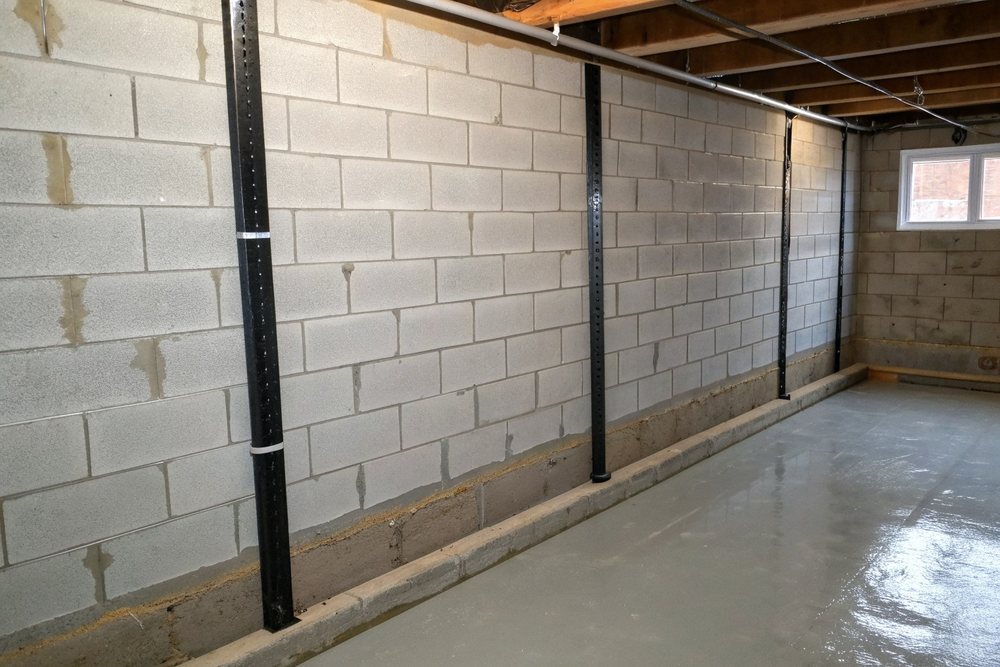
For walls that are bowing or cracking from soil pressure: carbon-fiber straps epoxied to the wall to stop further movement, paired with the crack repair itself. We'll tell you plainly when a wall has moved enough to need this — and when it hasn't.
The seam where the floor meets the wall and the old form-tie holes in a poured wall are the two "cracks" that aren't cracks at all but leak just the same. Both are handled the same visit.
Cost Planning
| Repair | Typical cost range |
|---|---|
| Polyurethane or epoxy crack injection | $300 – $1,000 per crack |
| Multiple cracks, same visit | $800 – $2,500 |
| Carbon-fiber reinforcement (per strap, with crack repair) | $400 – $1,000 |
| Bowed-wall stabilization (several straps) | $1,500 – $4,500 |
Ranges are typical for the Cincinnati area based on published industry cost guides; your written estimate reflects your specific wall. Crack repair is the least expensive waterproofing work we do, and it's the one most often done too late — a $500 injection in April is a $5,000 finished-basement floor in June.
A crack that leaks because the grading outside dumps water at the wall will leak again next to the repair. We look at why the crack is wet, not just where.
We show you the crack, explain what kind it is, and give you a written price before any work starts.
Every repair is performed by a licensed, insured crew.
Injection repairs carry a written warranty that transfers to a new owner — the paper a buyer's inspector wants to see when they find a repaired crack.
How It Works
You can, and it usually holds until the next time the wall moves — which in Butler County's clay is the next wet season. Surface patches sit on the crack; injection fills it to the outside face of the wall and stays flexible. We're happy to tell you when a patch is enough.
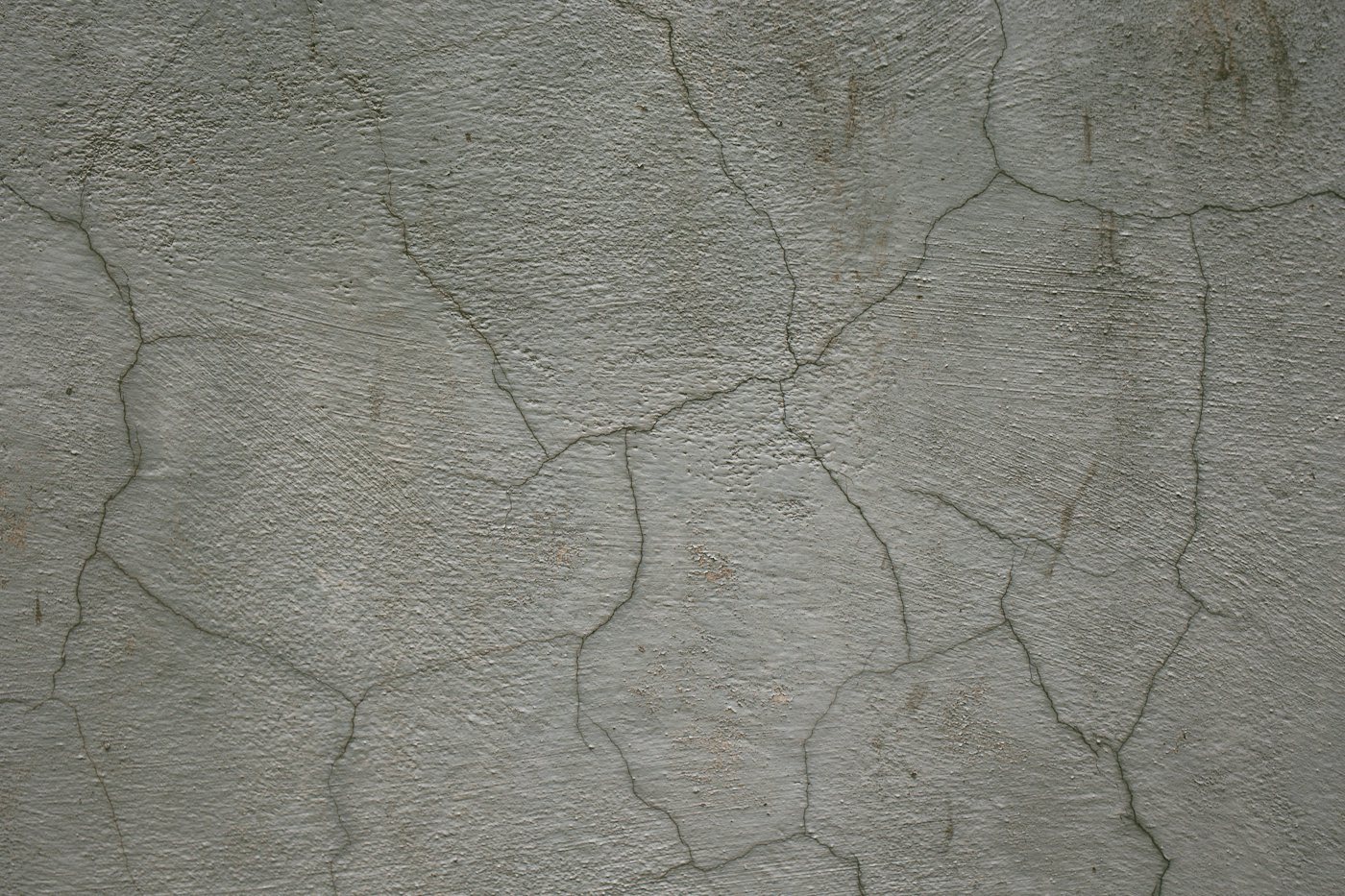
Usually not. Most basement cracks are shrinkage cracks from the concrete curing or minor seasonal movement. The ones we take seriously are horizontal cracks, stair-step cracks in block walls, cracks wider than a quarter inch, or any crack with a wall bowing behind it. The free inspection sorts one from the other.
Yes, though block walls leak differently — water travels through the hollow cores and comes out at the bottom course — so the fix is often an interior drainage system rather than injection. See our Basement Waterproofing page for how that works.
Get a free inspection and a straight answer on what it is.
Enter your city or ZIP code to see if we serve your neighborhood.